
The MathHero Learn Hub
Practical, research-informed guides on how kids ages 5–10 learn math — teaching sequences, hands-on activities, and honest app reviews for parents.
Featured insights
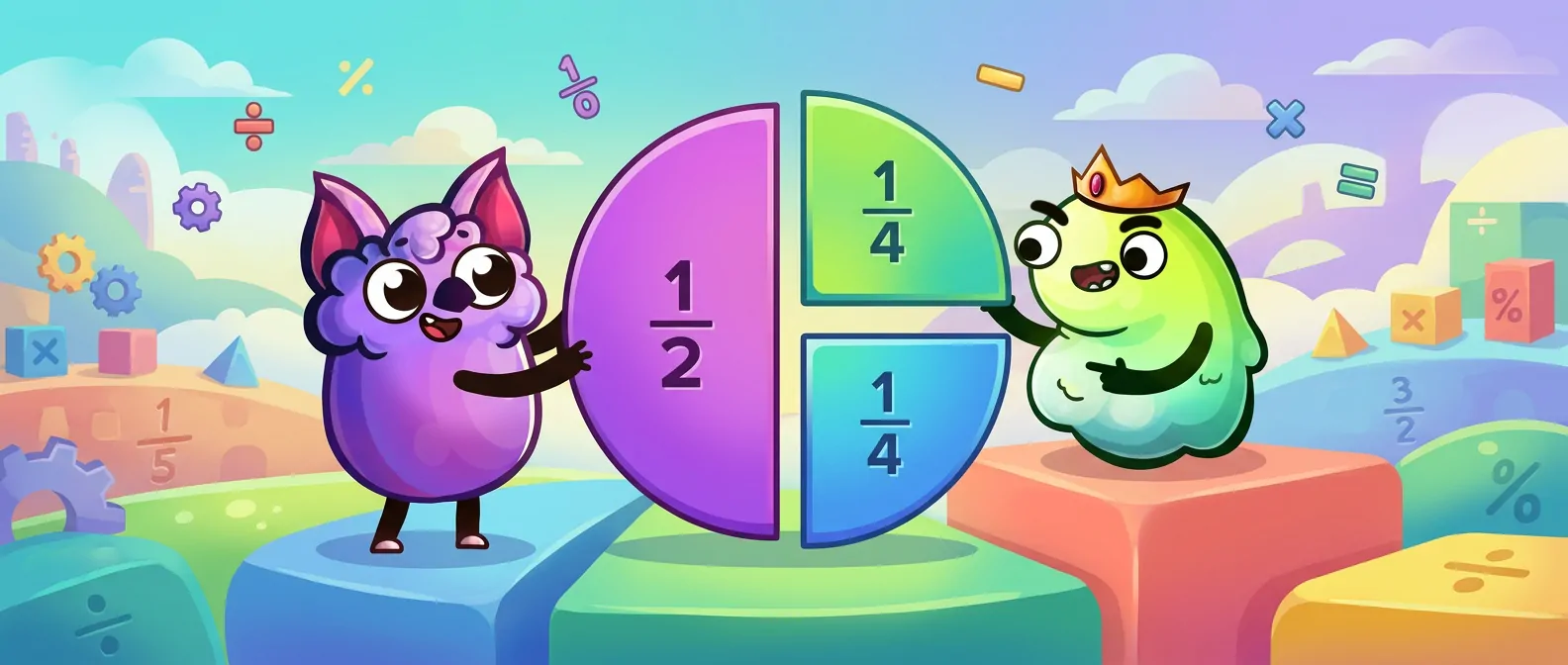
How to Teach Fractions
Start with real things, then visual models and number lines: equivalent fractions, comparing, and fraction operations, step by step, from a math teacher.
Do Game-Based Math Apps Work? Meta-Analyses, RCTs and Retention
What meta-analyses, randomized trials and retention studies say about game-based math apps for kids: real but modest gains, what lasts, what to look for.
Do Math Apps Actually Work for Homeschool? Why Kids Quit and When to Switch
Why kids quit math apps at home, what keeps one in a homeschool routine, when to adjust or switch, and a two-week fair trial for ages 5 to 10.
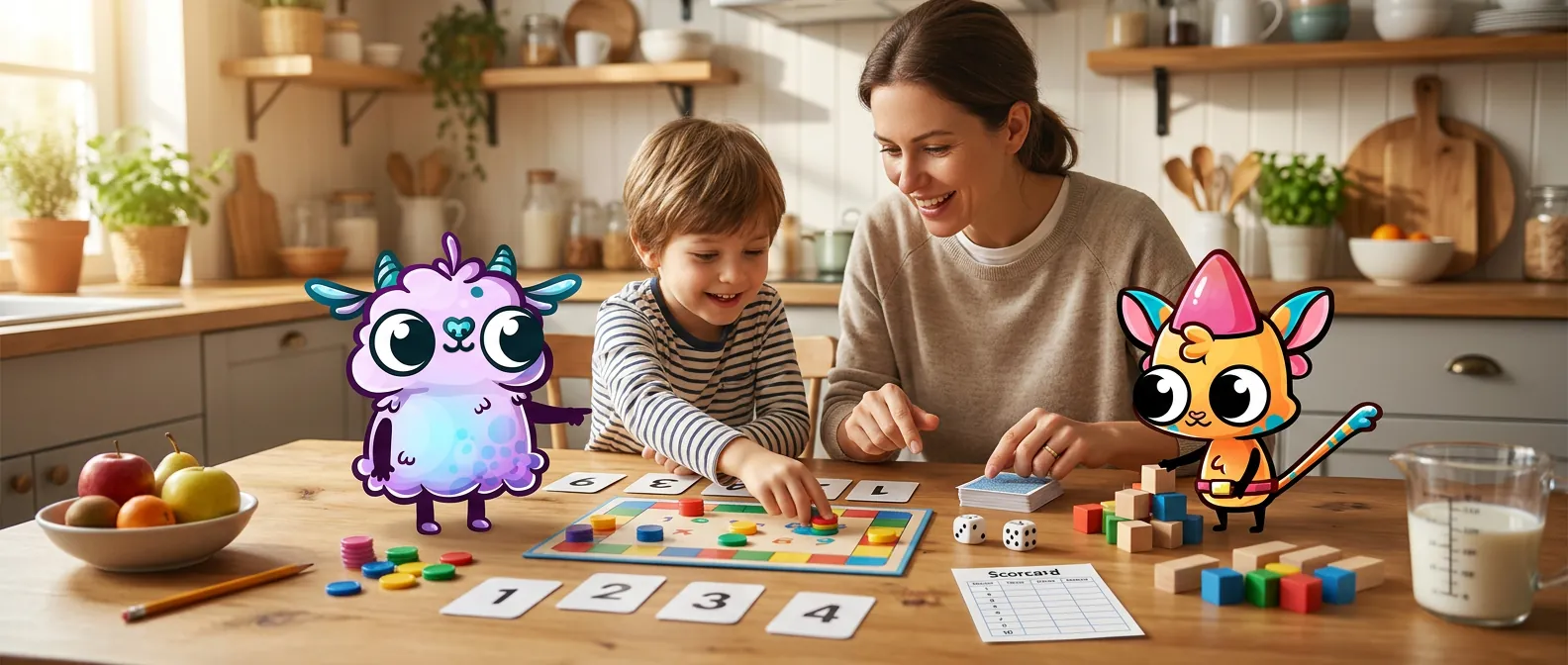
Math at Home: Games, Everyday Activities, and Free Resources for Families
Card and dice games, kitchen and grocery math, free resources, and how to talk about math so kids ages 5 to 10 build skills and confidence at home.
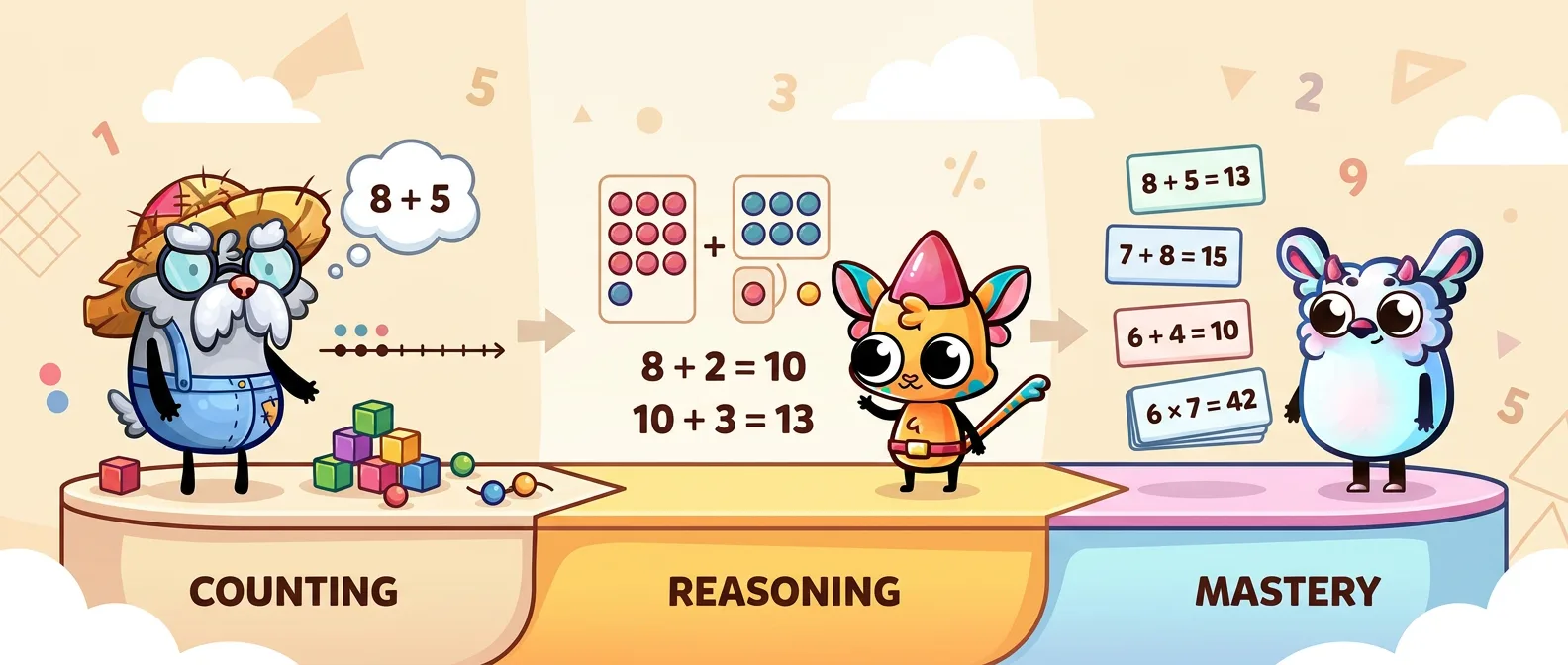
What Research Says About Building Math Fact Fluency
What math fact fluency is, the three phases kids go through, grade-level targets, the timed test debate, and a short daily routine that reflects the research.
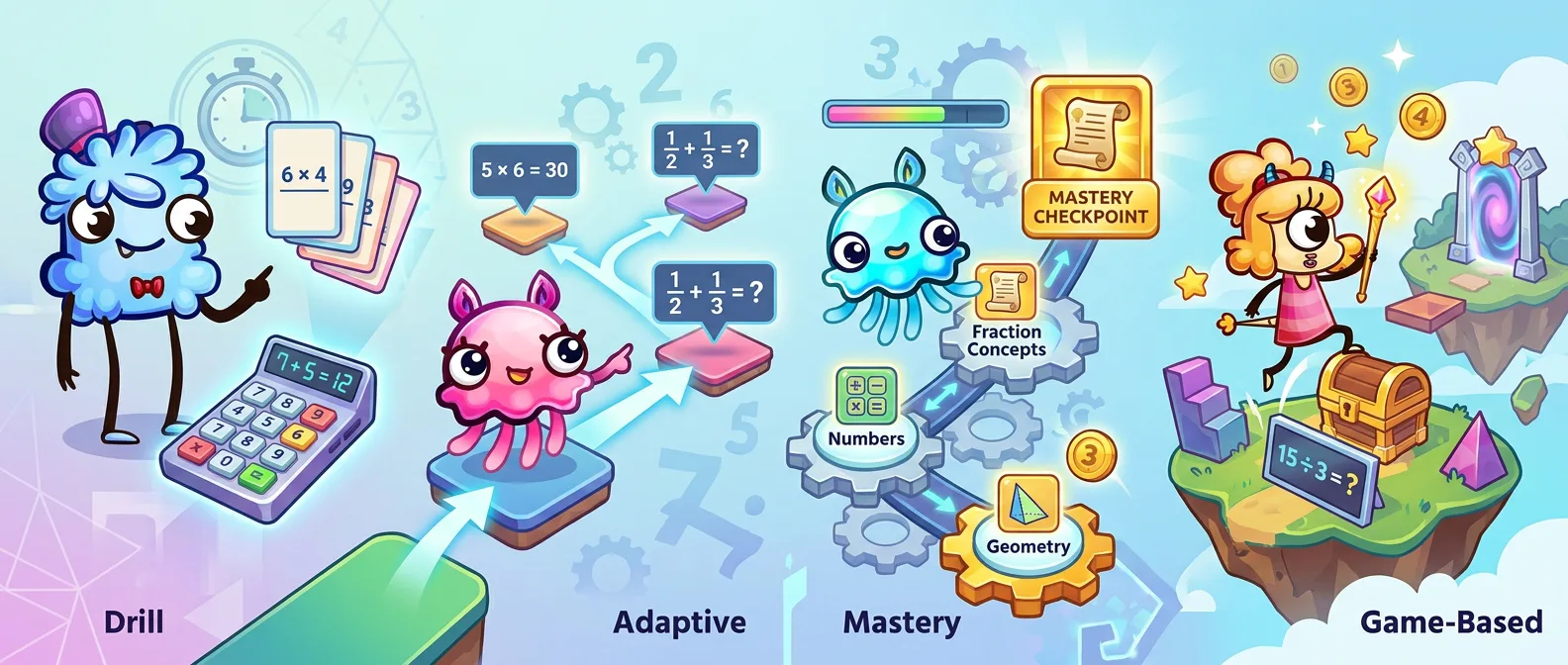
Types of Math Practice Apps Explained: Drill, Adaptive, Mastery, and Game-Based
Drill, adaptive, mastery or game-based: what each type of math app does, who it fits, and how to pick one for a child aged 5 to 10.
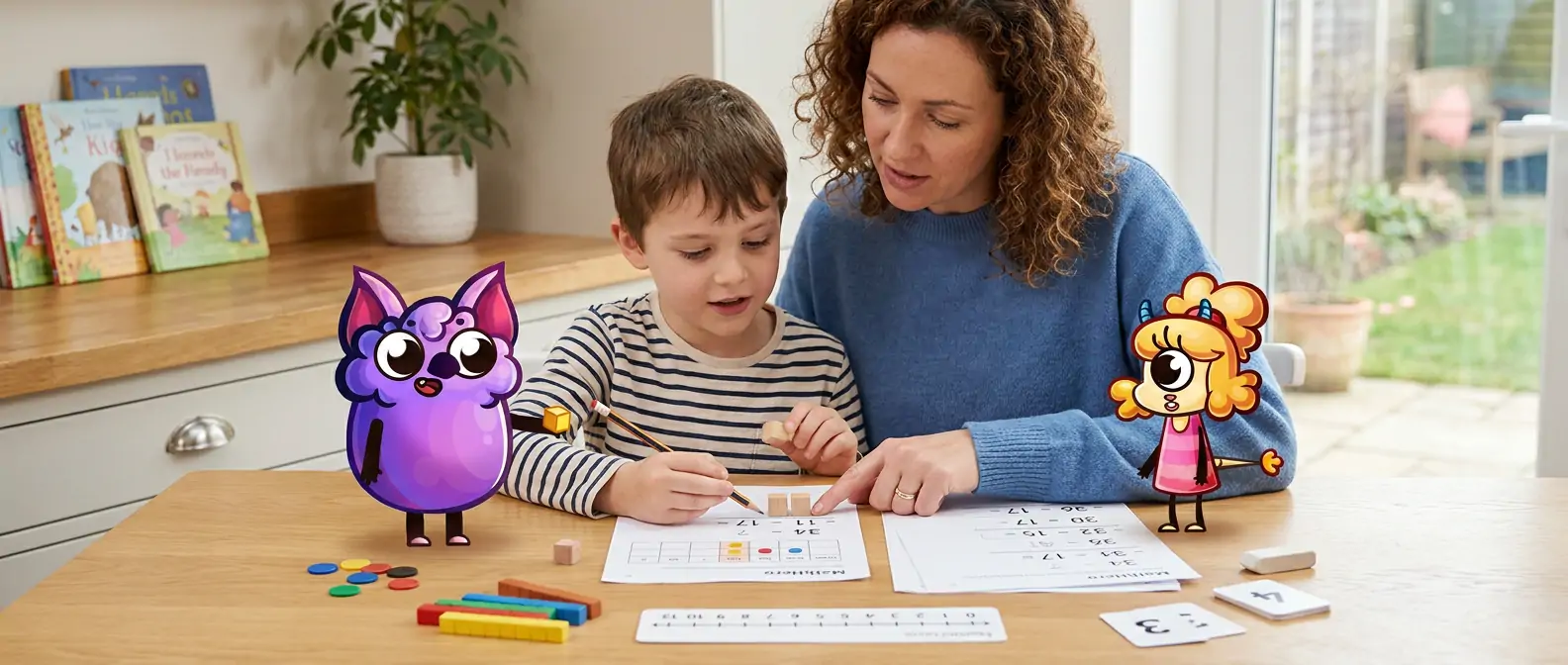
Is My Child Behind in Math?
What being behind in math really means, the signs to watch for, how to find the specific skill gaps, and how to help at home and with your child's teacher.
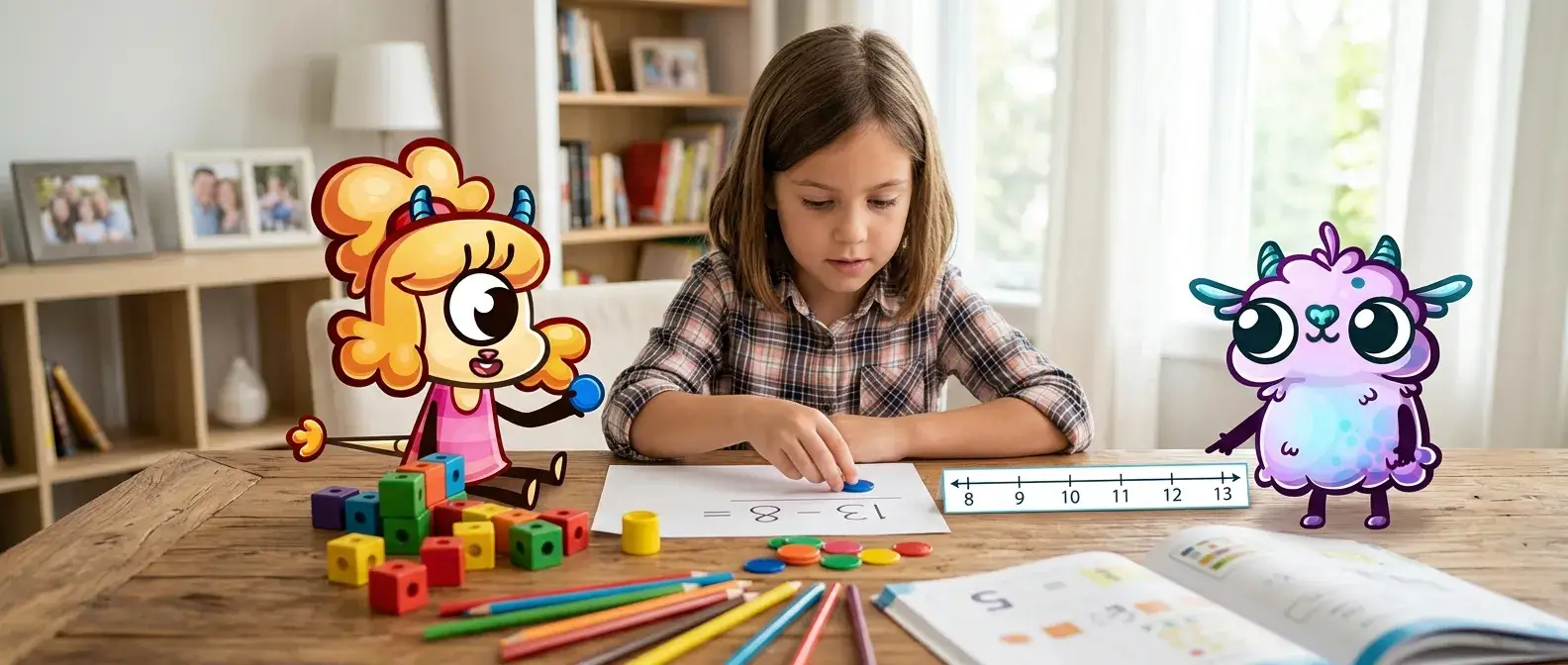
Helping a Child Who Struggles With Math
Why kids struggle with math, the signs to watch for, what helps at home, when dyscalculia or anxiety may be involved, and when to bring in the school.
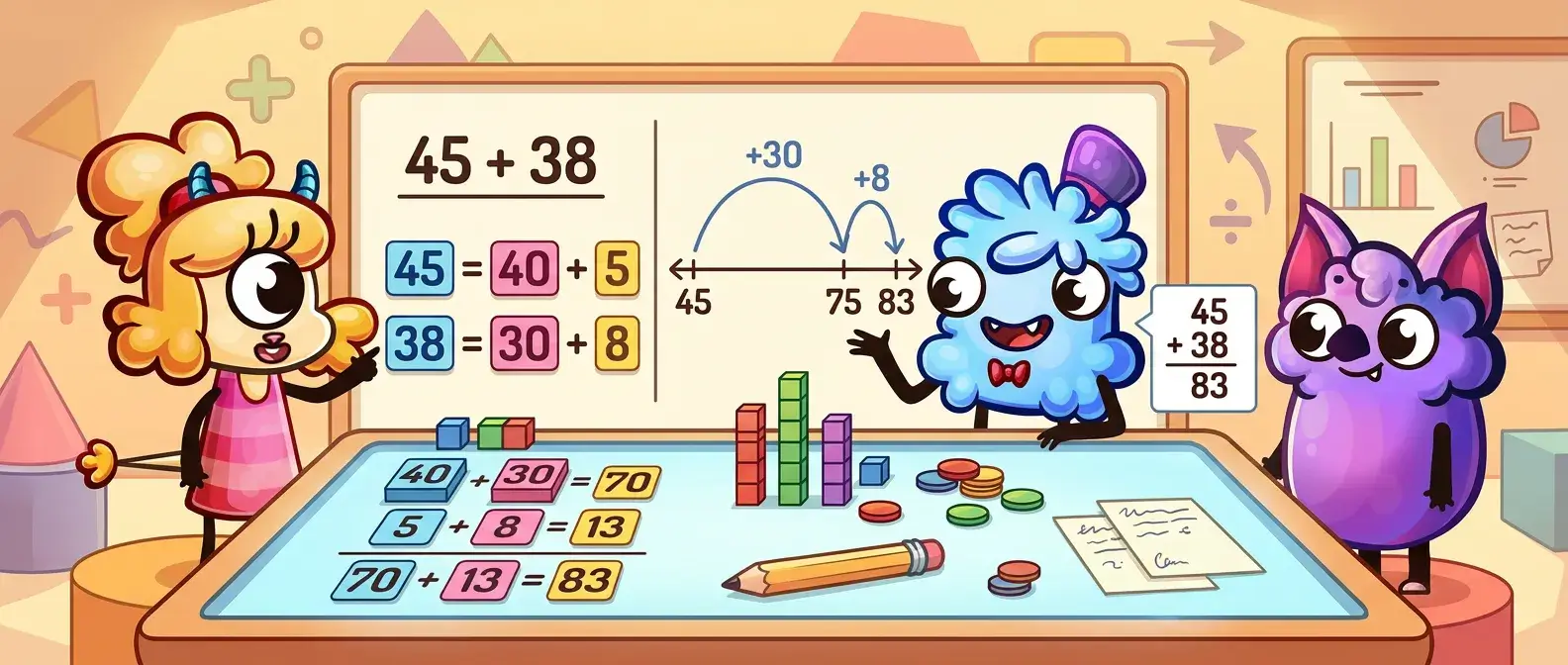
What Is "New Math"? A Parent's Guide
What parents call new math, how it differs from the 1960s New Math, the methods on today's worksheets, and how to help without reteaching.
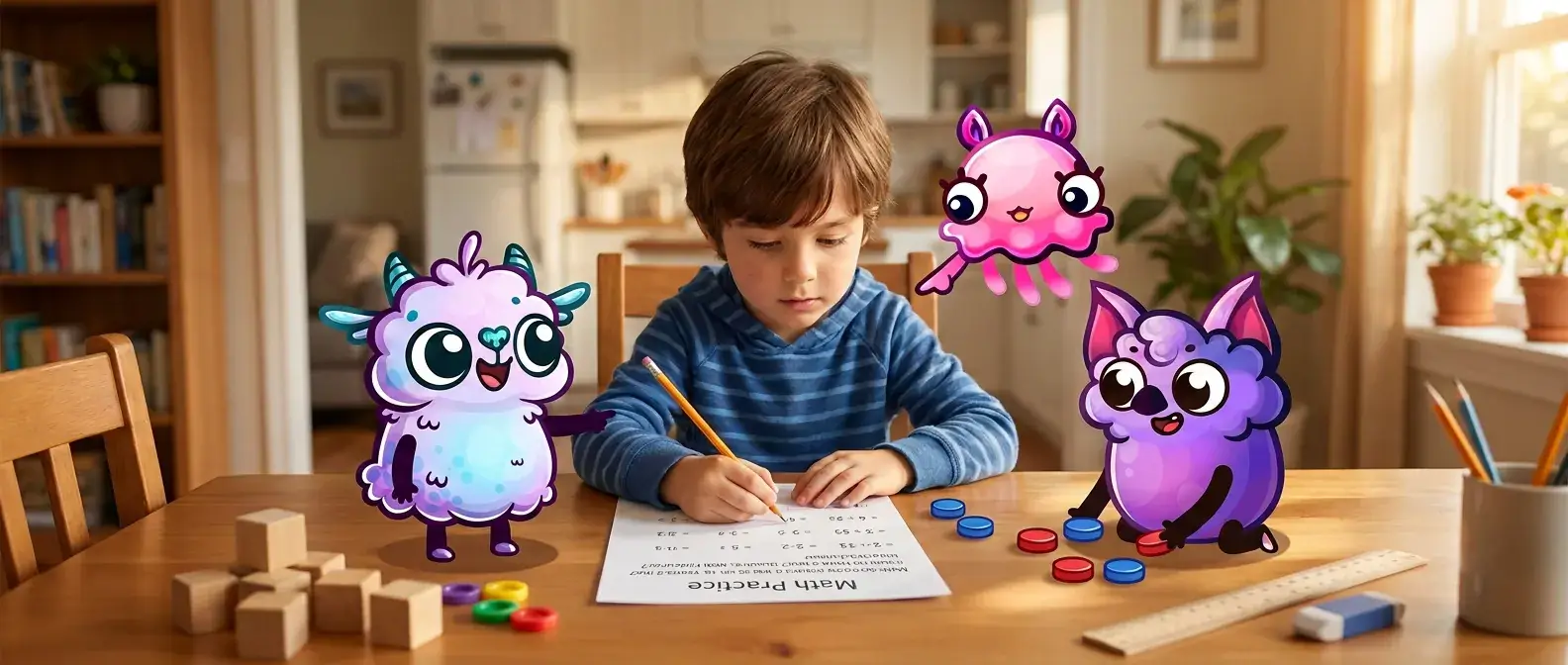
How to Help Your Child With Math Homework
Be a thinking partner, not an answer key: a homework routine, questions to ask, what to do with wrong answers, and when to call the teacher.
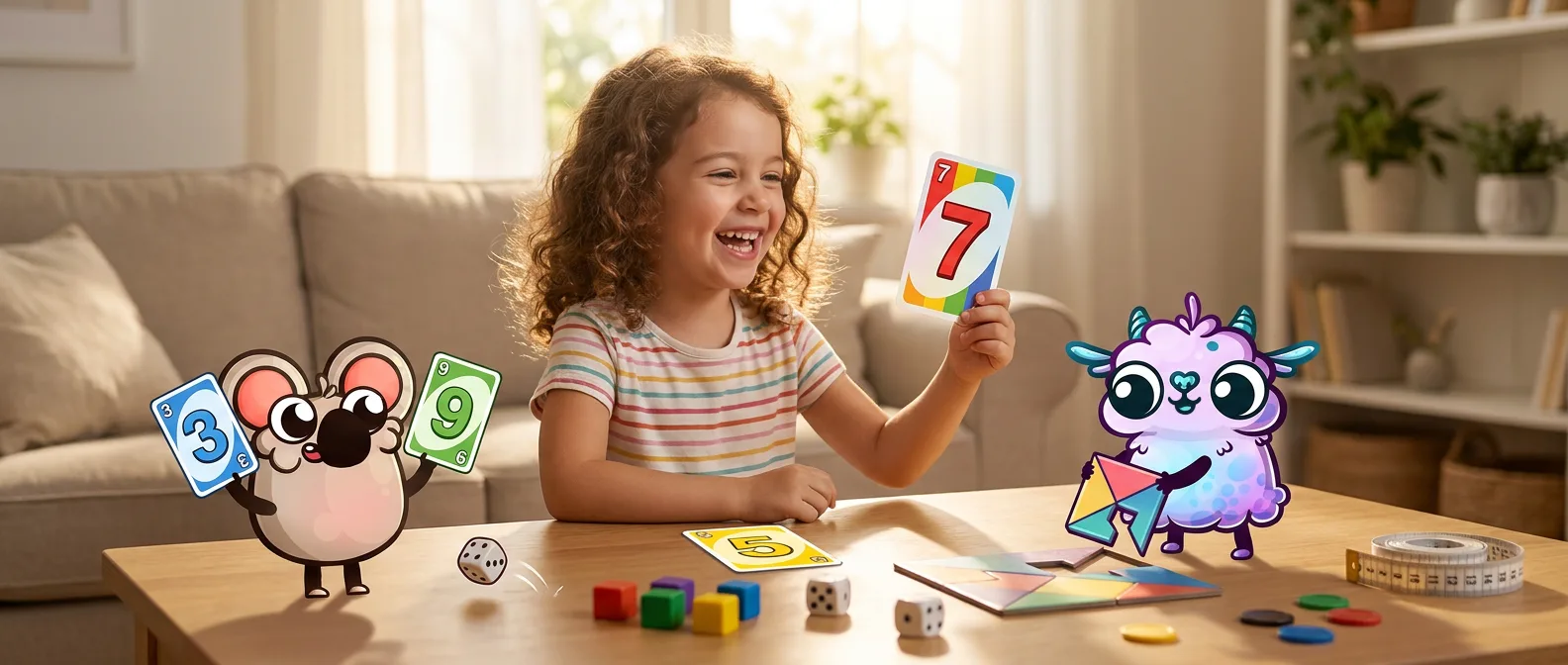
How to Make Math Fun: What Actually Works at Home
Real ways to make math fun at home: games, puzzles, real-life practice, and where a math app fits in.
Best Ways to Learn Math (Parent's Guide for Ages 5 to 10)
Build number sense before facts, practice in short daily sessions, and treat mistakes as the lesson.